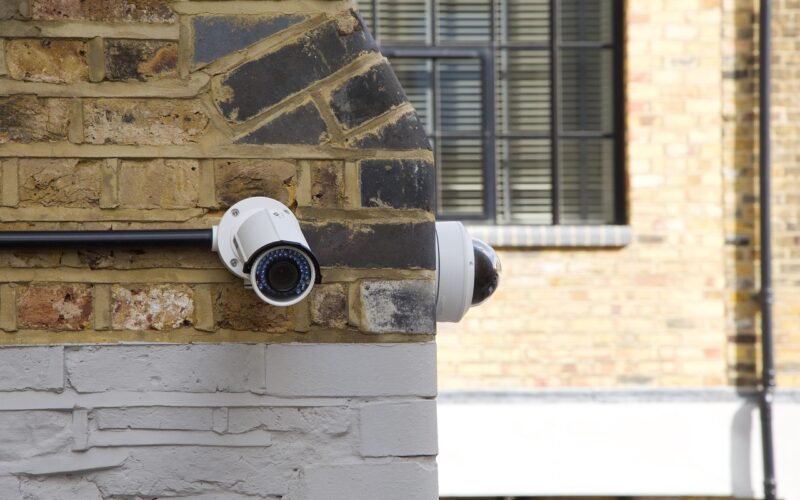
Closed circuit television (CCTV) systems are powerful tools for enhancing security, but they can also become a vulnerability if not properly protected. Hackers target these systems for various reasons, from simple voyeurism to corporate espionage or using compromised devices to launch larger cyberattacks. The primary threats often stem from weak or default credentials, unpatched software, and insecure network configurations. Understanding how to fortify your system is crucial for both domestic CCTV users protecting their homes and businesses relying on commercial CCTV for asset protection.
Adopt secure installation and setup practices
The first line of defence begins with the initial setup. Many cameras and recorders ship with default usernames and passwords like "admin" and "password," which are widely known and easily guessed. Your very first action should be to change these to strong, unique passwords that are at least 12 characters long and include a mix of letters, numbers, and symbols. If your system supports multi-factor authentication (MFA), which requires a second form of verification like a code sent to your phone, enable it immediately. This single step makes it significantly harder for unauthorised users to gain access, even if they manage to discover your password.
Harden your network against intrusion
How your CCTV system connects to the internet is just as important as the device's own security. For optimal protection, your cameras should be on a separate network from your primary computers and devices. This can be achieved by creating a Virtual LAN (VLAN) or using your router’s guest network feature. This segmentation prevents a hacker who breaches your CCTV from accessing sensitive data on your main network. Ensure your Wi-Fi is secured with WPA3 encryption, the latest standard. You should also disable Universal Plug and Play (UPnP) and any automatic port forwarding on your router, as these features can create unintended security holes. For remote access, avoid exposing your system directly to the internet and instead use a secure VPN connection to your network.
Keep firmware updated and choose vendors wisely
Manufacturers regularly release firmware updates to patch security vulnerabilities and improve performance. Failing to apply these updates leaves your system exposed to known exploits. Enable automatic updates if the feature is available, or create a schedule to check for and install them manually. When selecting a new closed-circuit television system, research the vendor's reputation for security and their track record for providing timely updates. Be wary of unbranded, low-cost devices, as they are less likely to receive ongoing support. It's also important to be aware of the product's end-of-life (EoL) date, after which it will no longer receive security patches, rendering it unsafe to use.
Configure devices and physical security
Beyond network settings, device-level configuration adds another layer of security. Position cameras to minimise blind spots while also protecting them from physical tampering or theft. Inside the device settings, disable any services you don't need, such as FTP or Telnet, to reduce the potential attack surface. Always enable stream encryption (often labelled as HTTPS or SRTP) to ensure that the video feed cannot be intercepted as it travels across the network. Furthermore, activate logging features to keep a record of system events, which can be invaluable for identifying suspicious activity or investigating a security incident.
Evaluate your storage security
Whether you store footage locally on a recorder or in the cloud, the data must be protected. For local storage, ensure the device itself is physically secure to prevent theft. For cloud storage, verify that your provider encrypts your data both "in transit" (as it's uploaded) and "at rest" (while stored on their servers). Review their access control policies and your own settings to restrict who can view or download footage. Both commercial CCTV and some advanced domestic CCTV systems benefit from clear data retention policies, automatically deleting old footage to minimise the amount of sensitive information you hold.
A proactive approach to security involves more than just setup. Regularly monitor your system's logs for unusual access patterns or configuration changes. For businesses using commercial CCTV, this includes training staff on security best practices, such as identifying phishing attempts and not sharing access credentials. For homeowners, it means ensuring everyone in the household understands the importance of password security. By combining these digital and physical safeguards, you can ensure your CCTV system remains a reliable security asset, not a liability.